
















Nomination fairness sits at the heart of every recognition program that actually works. When employees trust that awards go to the right people for the right reasons, engagement rises. When they suspect favoritism or politics drive decisions, morale tanks fast.
This guide walks through what makes recognition fair, how bias creeps into nomination systems, and practical steps to build programs where every team member has an equal shot at being seen and celebrated.
What Nomination Fairness Really Means
Nomination fairness means every employee has the same opportunity to be recognized based on merit, not proximity to leadership or office politics. Fair systems evaluate contributions against clear, objective standards that everyone understands from day one.
Three elements define fair nomination processes:
Transparency in criteria. Teams know exactly what behaviors and outcomes earn recognition. Vague standards like “going above and beyond” leave too much room for personal bias. Specific metrics such as “improved customer satisfaction scores by 15%” or “trained three new team members” create shared understanding.
Inclusive access to nominate. Anyone can put forward a colleague, not just managers. Peer-to-peer nomination captures contributions that supervisors miss, especially in distributed or cross-functional teams.
Consistent evaluation. Review committees apply the same rubric to every nomination. Names, departments, and tenures stay hidden during initial scoring to prevent unconscious favoritism.
Organizations that nail these basics see redemption rates above 80% for their recognition rewards. Teams where fairness is questioned struggle to hit 40%.
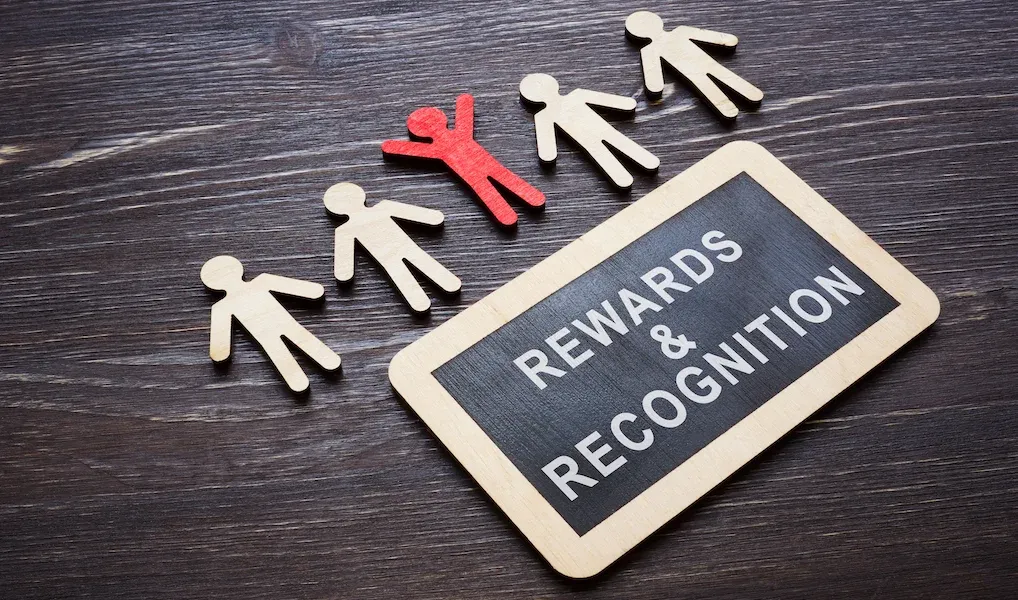
Where Bias Enters the Nomination Process
Recognition programs fail at fairness when proximity, visibility, and personal relationships outweigh actual performance. Here is why that happens.
The Visibility Problem
Office-based employees appear more engaged than remote workers simply because leaders see them more often. A study from the Society for Human Resource Management shows that remote employees receive 30% fewer recognition nominations despite equal or better performance metrics.
Customer-facing roles generate visible wins that back-office functions enable but rarely receive credit for. The sales team closes deals while operations teams process orders flawlessly in the background.
Recency and Frequency Bias
Recent contributions overshadow consistent long-term performance. An employee who delivers steady results all year loses out to someone who had one big visible project in the last month.
Managers nominate the same high performers repeatedly because those individuals already have proven track records. New team members and quiet contributors struggle to break into the recognition cycle.
Relationship Dynamics
Supervisors nominate people they work with daily. Employees on different shifts, in different buildings, or supporting other departments become invisible.
Personal rapport influences decisions. Leaders gravitate toward nominating people they like or who remind them of themselves, reproducing the same demographic patterns in award winners.
Structural Inequities
Budget constraints force choices between recognizing many people modestly or a few people generously. When programs cap nomination numbers, managers hoard slots for their direct reports.
Decentralized nomination systems create inconsistency. Sales rewards one type of behavior, operations another, and engineering something else entirely. Employees notice when different standards apply across departments.
Building Fairer Recognition Systems
Fair nomination frameworks require deliberate design and ongoing monitoring. These approaches reduce bias and increase trust.
Define Clear, Measurable Criteria
Start with behaviors and outcomes the organization wants to encourage. Make them specific enough that five people reading the criteria would identify the same candidates.
Good examples:
- Resolved 95% of customer issues on first contact
- Mentored two colleagues through skill certifications
- Identified process improvement that saved 20 hours per week
- Maintained zero safety incidents across 12 months
Poor examples:
- Showed great teamwork
- Went above and beyond
- Demonstrated leadership qualities
The Department of Labor publishes guidance on objective performance standards that translate well to recognition criteria.
Open Nominations to Everyone
Peer nominations surface contributions that managers miss. When team members can nominate colleagues at any level, recognition spreads beyond the usual suspects.
Set up simple forms where anyone can submit a nomination in two minutes. Require nominators to cite specific examples against your published criteria.
Quarterly nomination windows work better than always-on systems. Defined periods create urgency and focus, leading to more thoughtful submissions.
Implement Blind Review Processes
Strip identifying information before evaluation committees see nominations. Remove names, departments, locations, and any details that reveal identity.
Score each submission against your rubric before discussing candidates. Aggregated scores surface the strongest nominees before group dynamics influence decisions.
Rotate review committee members to prevent pattern recognition. Fresh eyes each cycle reduce the risk of favoring familiar names.
Track Participation and Outcomes
Monitor nomination rates by department, location, role, and demographics. Significant gaps signal that parts of your workforce feel excluded or undervalued.
Compare winner profiles against your overall employee population. If your awards skew heavily toward one department, level, or demographic group while your workforce is diverse, your process has fairness issues.
Survey employees annually about trust in the recognition system. Ask directly whether they believe nominations are fair and what would improve confidence. Low trust scores mean your design needs work even if you think the process is sound.
Provide Nomination Training
Teach managers and employees how to write strong nominations. Many qualified candidates get passed over because their nominators wrote weak submissions, not because their work was insufficient.
Share examples of winning nominations from previous cycles. Show how to connect everyday actions to your criteria with concrete data and context.
Offer office hours where people can ask questions about the process. Demystifying the system increases participation from employees who previously felt intimidated or confused.
Technology That Supports Fairness
Modern recognition platforms can reinforce or undermine nomination fairness depending on configuration and use.
Automated Reminder Systems
Regular prompts to nominate colleagues keep recognition top of mind. Automated reminders should go to all employees, not just managers, reinforcing that everyone can participate.
Time-based triggers work better than event-based ones for fairness. Sending reminders monthly or quarterly ensures consistent opportunities rather than ad hoc nudges that favor specific people or moments.
Data Dashboards for Oversight
Real-time analytics show participation patterns as they develop. If three months into a quarter only engineering has submitted nominations, leadership can investigate and intervene before the cycle closes.
Demographic breakdowns reveal whether certain groups are under-nominated. Seeing the data prompts corrective action rather than waiting for annual reports.
Anonymous Submission Options
Allowing anonymous nominations reduces fear of retaliation or awkwardness. Some employees hesitate to nominate peers publicly, especially in cultures where self-promotion is discouraged.
Anonymous paths must still require specific evidence against criteria. Open-ended compliments without substance do not help review committees make fair decisions.

The Role of Rewards in Fair Programs
The reward itself influences whether employees view the program as fair. Generic prizes and rigid options create dissatisfaction even when nomination processes are equitable.
Flexibility Over Uniformity
One-size-fits-all rewards miss the mark for diverse workforces. A gift card to a local restaurant means nothing to a remote employee who lives 500 miles away. Company swag sits unused in closets.
Flexible reward systems let recipients choose what matters to them. Mojo Gift provides digital gift cards redeemable for experiences in 100+ countries, plus custom experience and product requests managed by 24/7 concierge. Recipients define what recognition means to them, whether that is a cooking class in their city, concert tickets, or a specific item they have wanted.
When employees can request exactly what they want, including location, timing, and accessibility needs, perceived fairness increases. The same monetary value delivers higher satisfaction because recipients control the outcome.
Budget Equity Across Levels
Fair nomination systems pair with equitable reward budgets. If frontline employees receive $50 gift cards while executives get $500 experiences, the message undermines trust in the selection process.
Tiered programs should reflect responsibility and impact, but gaps cannot be so wide they signal different classes of employees. Transparent budget bands published alongside criteria help employees understand how decisions get made.
Redemption Support
Unused rewards suggest the program missed the mark. Fair recognition includes follow-through that helps recipients actually enjoy their award.
Remote and Hybrid Workforce Considerations
Concierge services that handle booking, confirm availability, and manage logistics remove barriers to redemption. When recipients have questions or need changes, responsive support signals that the organization values their time and preferences.
Distributed teams face unique fairness challenges that require intentional solutions.
Equalizing Visibility
Virtual employees do excellent work that colleagues and managers never see. Asynchronous communication means big wins happen in Slack threads or project management tools, not in meetings where leaders notice.
Require nominations to include links to documentation, messages, or project artifacts. Evidence-based submissions level the playing field between visible and behind-the-scenes contributors.
Schedule regular “recognition share-outs” in team meetings where anyone can highlight a colleague’s recent win. Public appreciation normalizes recognition as part of team culture rather than a manager-only activity.
Time Zone Inclusivity
Global teams span 12+ time zones. Nomination windows and award ceremonies cannot favor one region’s working hours.
Run overlapping submission periods so every location has access during business hours. Record award announcements and share via internal channels where employees consume information asynchronously.
Digital reward delivery through platforms like Mojo Gift eliminates time zone friction. Recipients activate and redeem on their own schedule without coordinating with corporate events or waiting for shipments.
Localized Recognition
What counts as meaningful recognition varies by culture. Public praise energizes employees in some regions while embarrassing those in cultures where humility is valued.
Design programs that offer both public and private recognition paths. Let nominees choose whether they want announcement in company meetings or a personal message from leadership.
Reward catalogs must include options relevant to each geography. Experiences in 100+ countries mean a recipient in Tokyo, São Paulo, or Stockholm finds locally appropriate options that feel personal rather than generic.
Measuring Program Fairness
You cannot improve what you do not measure. These metrics reveal whether your nomination system operates fairly in practice.
Participation Rate by Department
Calculate nominations submitted per employee in each department. Rates should be similar across groups. If marketing submits five nominations per person while operations submits 0.5, operations employees either do not understand the process or do not trust it.
Investigate low-participation areas through focus groups or surveys. Ask what would make them more comfortable nominating colleagues.
Award Distribution Over Time
Track which employees and teams receive recognition across multiple cycles. Healthy programs show different winners each quarter with minimal repeat recipients in short timeframes.
Concentration of awards among the same people or departments indicates bias in either nominations or review processes. Break down patterns by role, tenure, location, and demographics to pinpoint where fairness breaks down.
Nomination-to-Award Ratios
Compare how many nominations each department submits against how many awards they receive. Roughly proportional ratios suggest fair evaluation. Large discrepancies mean some areas write stronger nominations or review committees favor certain types of contributions.
Provide nomination writing workshops to departments with low conversion rates. Sometimes the issue is presentation rather than performance.
Employee Perception Surveys
Ask employees directly whether they believe the recognition program is fair. Five-point scale questions like “I believe nominations are evaluated fairly regardless of department” and “Anyone can win recognition based on their performance” generate quantifiable data.
Compare perception scores against objective metrics. If participation and distribution are equitable but perception is low, you have a communication problem. If perception is high but metrics show inequity, your systems need work.
Redemption and Satisfaction
Track what percentage of award recipients actually redeem their rewards. Rates above 75% indicate the rewards themselves are valued. Low redemption suggests mismatch between what employees want and what programs offer.
Survey recipients about satisfaction with both the recognition process and the reward. Open-ended feedback reveals pain points that quantitative data misses.
Common Fairness Pitfalls to Avoid
Even well-intentioned programs develop fairness issues over time. Watch for these patterns.
Favoritism Creep
Initial fairness erodes as managers learn which types of nominations win. They coach favored employees on how to get recognized while leaving others to figure it out alone.
Combat favoritism through regular process audits and fresh review committee members. Publish nomination tips to everyone simultaneously rather than letting knowledge spread through informal networks.
Criteria Drift
Recognition standards shift gradually as review committees interpret them differently each cycle. What counted as “exceptional customer service” in Q1 becomes harder or easier to achieve by Q4.
Anchor evaluations with specific examples from initial program design. Update criteria formally and transparently rather than letting definitions slide through committee discussions.
Budget Politicization
When budgets tighten, recognition programs get cut first. Slashed budgets force smaller awards or fewer recipients, undermining fairness as competition intensifies for limited slots.
Secure multi-year funding commitments to insulate programs from quarterly financial pressures. Recognition is an investment in retention and engagement, not a discretionary expense to trim easily.
Participation Fatigue
Quarterly nomination cycles become burdensome if they require extensive documentation or lengthy forms. Participation drops as employees view nominations as unpaid work rather than meaningful appreciation.
Streamline submission processes to five minutes or less. Simple forms with clear prompts generate more nominations than complex applications requiring supervisor approval and detailed documentation.

Building Trust Through Communication
Fair systems require transparent communication at every stage.
Before Launch
Announce the program with full details on criteria, process, timeline, and rewards. Town halls, email campaigns, and manager briefings should cover the same information so no one gets advantage through informal channels.
Explain why the organization is investing in recognition and what behaviors leadership wants to encourage. Connect criteria to business goals so employees understand how individual contributions drive success.
During Cycles
Send reminders to nominate that go to all employees, not just managers. Include links to criteria and examples so people can quickly reference standards.
Update nomination status through confirmation emails. Let nominators know their submission was received and will be reviewed. Simple acknowledgment increases trust in the process.
After Decisions
Announce winners with specific examples of what they did to earn recognition. Transparency about what wins awards helps everyone understand the bar and aspire to reach it.
Provide feedback to unsuccessful nominees when possible. Constructive notes like “This nomination was strong but needed more quantitative data about impact” help people improve future submissions.
Year-Round
Share program metrics in quarterly business updates. Report participation rates, award distribution, and employee sentiment data. Demonstrating oversight builds confidence that leadership monitors for fairness.
Act on feedback. If surveys reveal concerns about fairness, describe specific changes implemented in response. Ignoring feedback signals that employee input does not matter.
Scaling Fair Recognition as You Grow
What works for 50 employees breaks at 500 and fails at 5,000. Fair systems must scale with organizational growth.
Decentralized Execution, Centralized Standards
Give teams autonomy to recognize colleagues frequently while maintaining consistent criteria and oversight. Local managers understand day-to-day contributions but centralized guidelines prevent each department from developing its own definition of excellence.
Regional or departmental review committees evaluate nominations within their areas using the same rubric as every other group. Central HR audits aggregate data to spot systemic issues.
Technology Investment
Manual processes cannot scale to thousands of employees. Recognition platforms automate reminders, aggregate data, and surface patterns that signal fairness issues.
Choose systems that integrate with HRIS tools to automatically track participation against workforce demographics. Real-time dashboards let leadership monitor equity as programs run rather than discovering problems months later.
Tiered Programs for Different Impacts
Scale recognition types to match contributions. Peer-to-peer spot recognition for daily helpfulness runs separately from formal quarterly awards for major achievements.
Micro-recognition programs with small, immediate rewards increase frequency and participation. Annual flagship awards with substantial rewards celebrate the highest impact. Multiple tiers ensure frequent touchpoints without diminishing the value of top honors.
Legal and Compliance Considerations
Fair recognition programs must navigate employment law and tax regulations carefully. Partner with legal and finance teams to address these areas.
Tax Implications
Cash and cash-equivalent awards are taxable income. Gift cards that function like cash fall into this category in most jurisdictions. Employers must report values and employees owe taxes on amounts received.
Non-cash awards under certain thresholds may qualify as de minimis fringe benefits in the U.S., making them non-taxable. IRS guidelines provide specific rules, but determinations depend on individual circumstances. Consult tax advisors for your situation.
Experience-based rewards occupy a gray area. The Internal Revenue Service guidance suggests that experiences arranged by the employer may qualify differently than cash gift cards, but specifics vary. Work with your tax team to classify rewards appropriately and set reporting procedures.
Discrimination and Equity
Recognition programs must not discriminate based on protected characteristics like race, gender, age, disability, or religion. Nomination systems that inadvertently favor certain groups over others create legal risk.
Document objective criteria and fair evaluation processes. If disparities appear in award distribution, investigate root causes and implement corrections before external audits or complaints surface issues.
International Considerations
Global programs must comply with labor laws and tax rules in every country of operation. Some jurisdictions limit the value of gifts to employees or require different reporting.
Work with international HR and legal teams to understand restrictions. Platform providers like Mojo Gift that operate in 100+ countries understand local regulations and can help navigate compliance requirements.
Real-World Success Patterns
Organizations that master nomination fairness share common approaches.
A healthcare system with 12,000 employees across three states implemented blind review committees and peer nomination. Participation jumped from 18% to 67% in the first year. Award distribution spread evenly across clinical, administrative, and support roles after years of nurses dominating recognition.
A technology company tracked nominations by demographics and discovered women submitted 40% fewer nominations than men despite equal representation in the workforce. Targeted communication campaigns and nomination training closed the gap to 8% within six months.
A manufacturing operation with three shifts struggled with day shift bias in recognition. Moving to documented evidence requirements and asynchronous review processes led to night and weekend shift workers receiving awards proportional to their headcount.
These examples share deliberate measurement, willingness to identify problems, and commitment to process changes based on data.
The Business Case for Fair Recognition
Fair nomination systems drive measurable business outcomes beyond employee satisfaction.
Retention Impact
Employees who believe recognition is fair are 3.6 times more likely to stay with their employer according to Gallup research. Turnover costs average 50-200% of annual salary depending on role, making retention improvements highly profitable.
Fair recognition signals that the organization values all contributions, not just those from favored groups. That message matters most to high performers who have options elsewhere.
Engagement and Productivity
Recognition drives discretionary effort when employees trust the system. Fair processes motivate people to aim for awards rather than dismissing them as popularity contests.
Teams with strong recognition cultures show 14% higher productivity and 23% higher profitability according to Gallup workplace studies. Fair nomination is the foundation of strong recognition culture.
Employer Brand Strength
Recognition programs shape how employees talk about the company externally. Fair systems generate positive word-of-mouth as award recipients share experiences on social media and in personal networks.
Employees who receive meaningful recognition become brand ambassadors. When recipients can choose rewards that matter to them through platforms like Mojo Gift, they share their experiences enthusiastically, creating authentic content that strengthens employer reputation.
Diversity and Inclusion
Fair recognition reinforces inclusion efforts by ensuring diverse employees see themselves represented among award recipients. Visible equity in recognition supports broader DE&I goals.
Programs that eliminate bias in nominations help identify and develop diverse talent. Recognition becomes a pipeline for leadership development when it fairly surfaces high performers from all backgrounds.
Getting Started: Your Fairness Roadmap
Transform your recognition program through these steps.
Month 1: Audit Current State
Pull two years of nomination and award data. Calculate participation rates and award distribution by department, location, role, and demographics. Identify gaps.
Survey employees about trust in the current process. Ask open-ended questions about what would increase confidence in fairness.
Month 2: Redesign Criteria
Work with cross-functional teams to define clear, measurable standards for recognition. Test criteria with sample scenarios to ensure five people would identify the same candidates.
Document the criteria in simple language and publish internally. Create examples of strong nominations for each standard.
Month 3: Build the Process
Set up blind review procedures. Recruit diverse committee members and train them on objective evaluation using your rubric.
Configure technology to support the new process. Ensure nomination forms are simple and accessible to all employees.
Month 4: Pilot and Iterate
Run a pilot cycle with one department or region. Collect feedback from nominators, nominees, and review committee members.
Adjust forms, criteria, or evaluation processes based on pilot learnings before full rollout.
Month 5: Launch Broadly
Communicate the new program through multiple channels. Explain why fairness matters and how the new system addresses past issues.
Offer nomination training to all employees and managers. Make support easily accessible.
Ongoing: Monitor and Improve
Review participation and distribution data quarterly. Flag disparities early and investigate root causes.
Survey employees about fairness perception twice a year. Track trends over time and act on feedback.
Update processes annually based on what the data reveals. Fair systems require continuous attention, not one-time design.
Turn recognition into experiences they’ll remember.
Every achievement deserves to be remembered. With our corporate solutions, recognition becomes more than a gesture, it becomes an experience that empowers, inspires, and leaves a lasting mark on every individual.
Choosing Recognition Partners
Platform and reward providers influence whether your fair nomination process translates into meaningful employee experiences.
Look for partners that:
- Support flexible reward options that work globally
- Provide data and analytics to monitor fairness
- Handle fulfillment logistics to reduce admin burden
- Offer concierge services that ensure high redemption
- Include diverse experience catalogs that reflect your workforce
Mojo Gift meets these criteria by combining a catalog of 100,000+ experiences across 100+ countries with custom experience and product request services. The 24/7 concierge handles sourcing, booking, and confirmations so recipients can request exactly what they want based on personal preferences, locations, accessibility needs, and timing.
Digital delivery eliminates shipping delays and geographical limitations. Branded corporate landing pages maintain your employer brand throughout the recognition journey. No expiry dates mean recipients redeem when it fits their schedule, not when inventory or deadlines pressure them.
This flexibility transforms fair nomination into meaningful recognition. When employees trust the selection process and can choose rewards that actually matter to them, programs deliver the engagement and retention results that justify investment.
Conclusion
Nomination fairness determines whether recognition programs strengthen or undermine organizational culture. Fair systems require transparent criteria, inclusive participation, blind evaluation, and ongoing monitoring.
Technology and thoughtful reward design support fairness by removing barriers and increasing flexibility. When employees trust the process and value the outcomes, recognition drives engagement, retention, and performance.
Start by measuring your current state honestly. Identify gaps in participation and award distribution. Redesign processes to eliminate bias. Communicate changes transparently. Monitor continuously and adjust based on data.
Fair recognition is not a destination but an ongoing commitment to seeing and celebrating contributions from everyone, regardless of department, location, or proximity to leadership. Organizations that get this right build cultures where people want to stay, perform, and grow.